A guide to everything beyond Earth
Explore the Universe
Planets. Stars. Galaxies. Spacecraft. Physics. The future of humanity in space, one question at a time.
Full Moon97% lit · full Nov 24
Taurids (N & S)peaks Nov 5–12
December solsticeDec 21, 2026
Moon photograph by Gregory H. Revera, CC BY-SA 3.0. Planet positions are drawn for 40° north at civil twilight.
Choose your universe


 Object of the day · October 27Chang'e Program
China's Moon program went first to the far side and came home with samples twice.
China's Chang'e program, named for the Moon goddess, went from first orbiter (2007) to feats no one else has managed: Chang'e 4 made history's first far-side landing in 2019, its Yutu-2 rover trundling for years; Chang'e 5 returned fresh lunar samples in 2020…
Explore Chang'e Program →Photograph: CSNA/Siyu Zhang/ Kevin M. Gill · CC BY 2.0
Latest from space all news →

First light: Hera resolves two asteroids instead of one
Phys.org · Oct 27 ↗
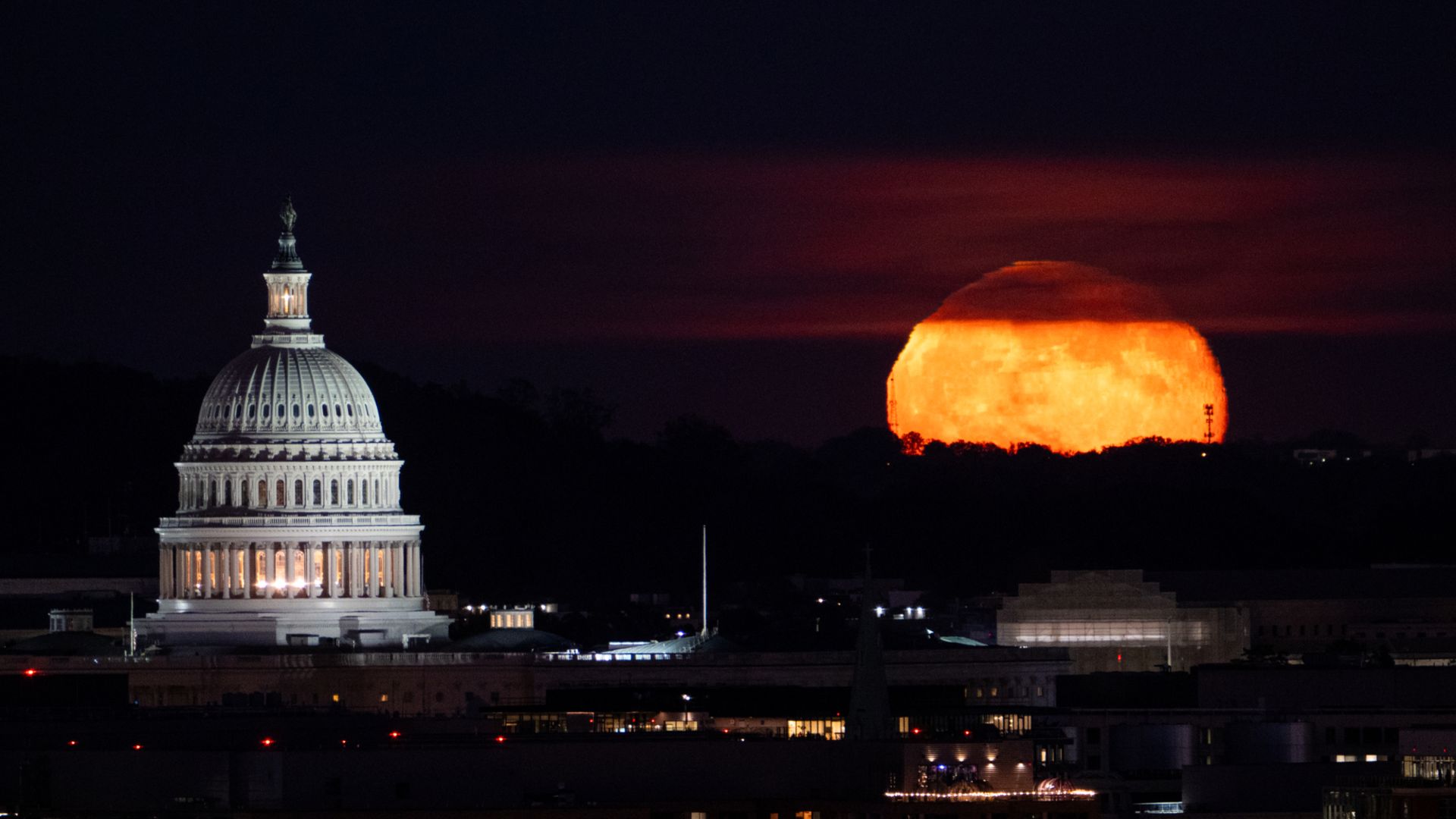
November full moon 2026: When, where and how to see the Beaver Moon
Space.com · Oct 27 ↗

Cowboy Space unveils 'Big Iron' rocket to launch 20,000 AI data centers
Space.com · Oct 27 ↗
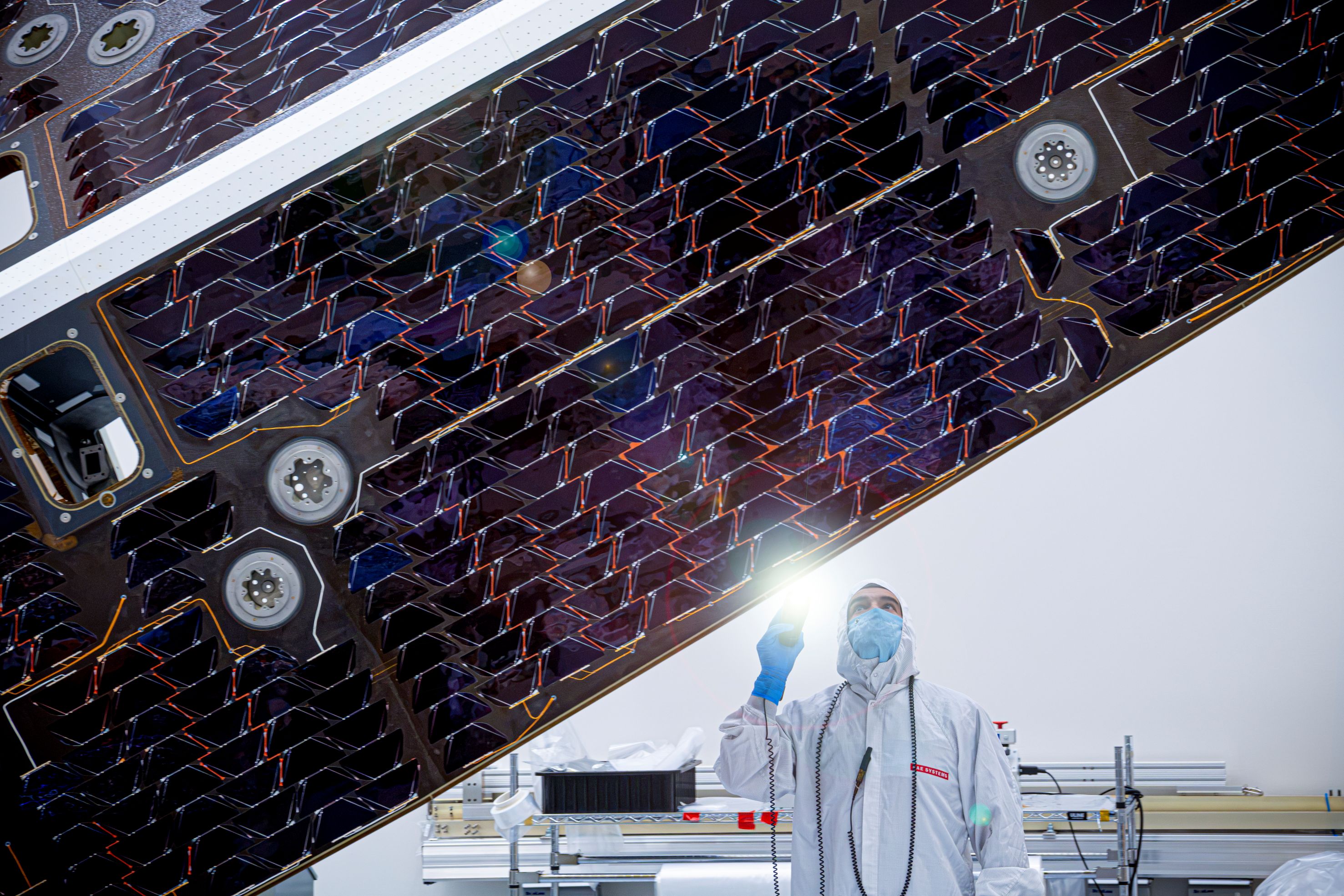
NASA’s Neo Surveyor Sunshade
NASA · Oct 27 ↗
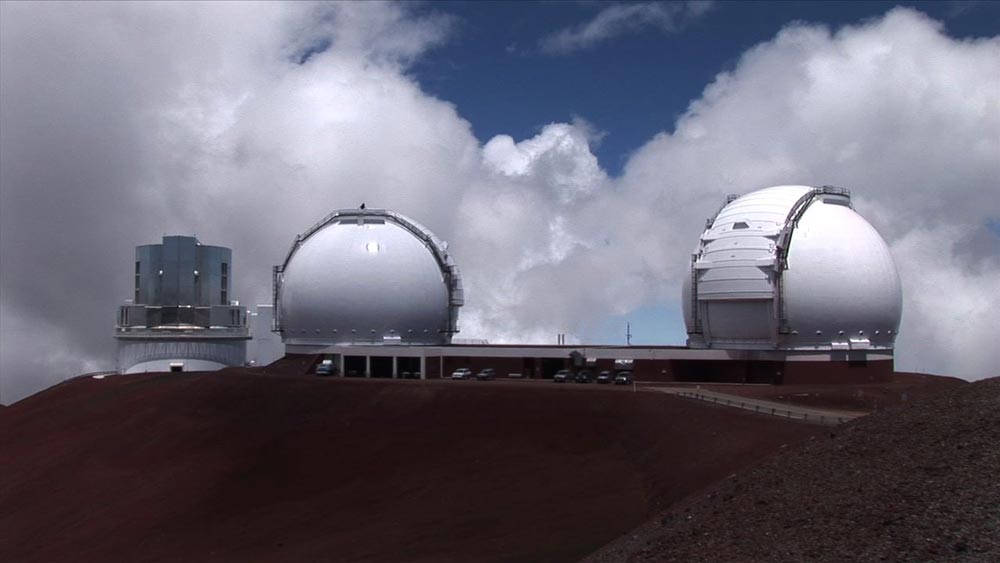
A small star is eating a brown dwarf so slowly that the meal could last billions of years, and the two orbit each other every 87 minutes inside a space that would fit within the Sun
SpaceDaily · Oct 27 ↗
This Oddbal Reflective Lava World is Challenging to Understand
Universe Today · Oct 27 ↗
Next launches all →

Falcon 9 Block 5 | Starlink Group 15-18
Oct 30, 04:02 UTC
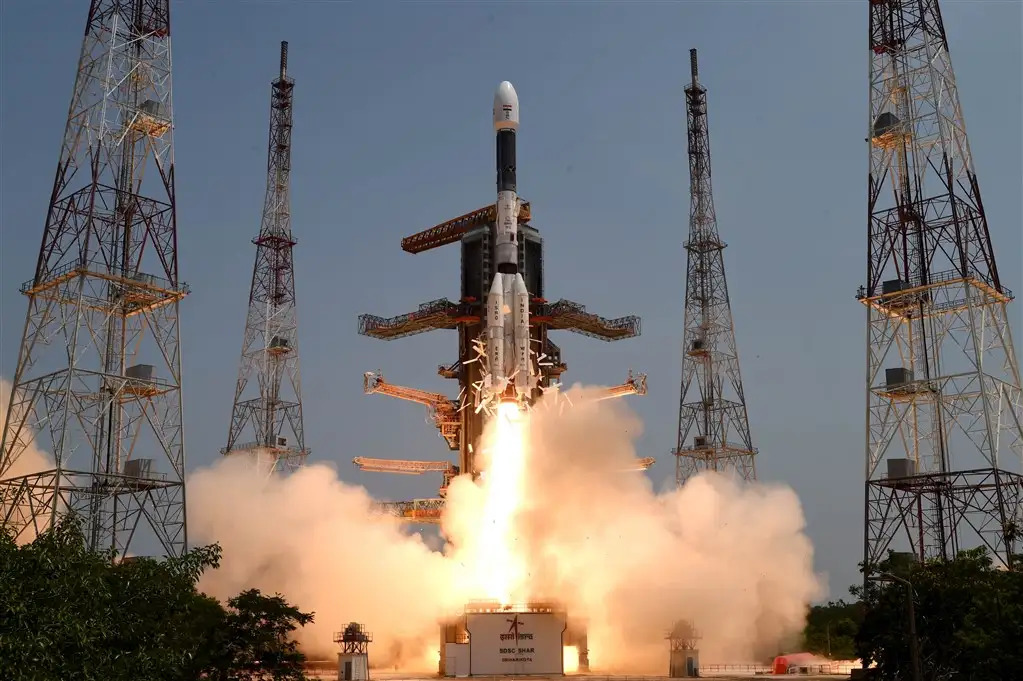
GSLV Mk II | IRNSS-1L (NVS-03)
Oct 30, 18:21 UTC
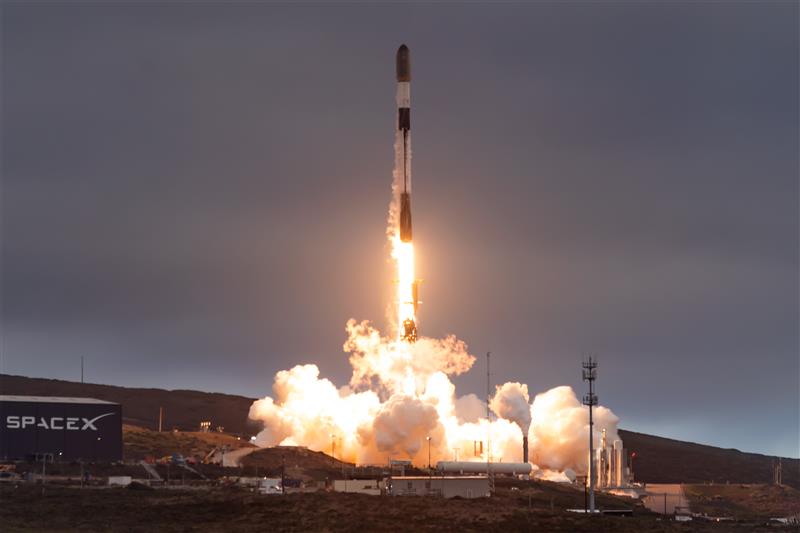
Falcon 9 Block 5 | USSF-432
Nov 02, 01:56 UTC
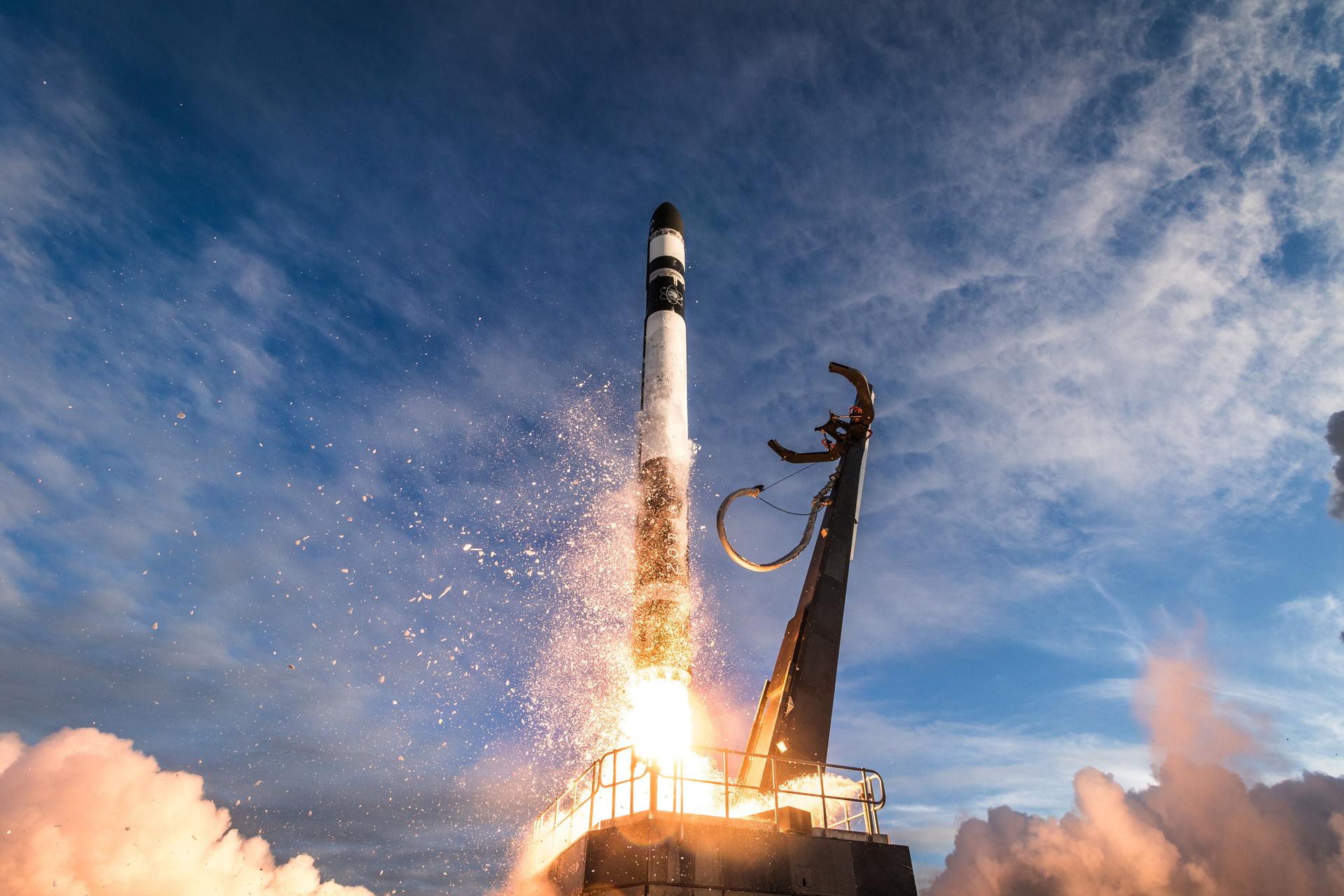
Electron | The Sea God Surveys (iQPS Launch 9)
Nov 03, 00:00 UTC
Sky notes
Falcon 9 Starlink Group 15-21 set for November 5A Falcon 9 Block 5 carrying the Starlink Group 15-21 batch is scheduled to open its launch window on November 5 at 05:14 UTC. The mission continues…
Written in-house from our own sky data
Falcon 9 to launch USSF-432 mission on November 2A Falcon 9 Block 5 carrying the USSF-432 payload for the U.S. Space Force is scheduled to open its window on November 2 at 01:56 UTC. No further…
Written in-house from our own sky data
India's GSLV Mk II targets launch on October 30India's Geosynchronous Satellite Launch Vehicle Mk II is scheduled to open its window on October 30 at 18:21 UTC, carrying the IRNSS-1L (NVS-03)…
Written in-house from our own sky data